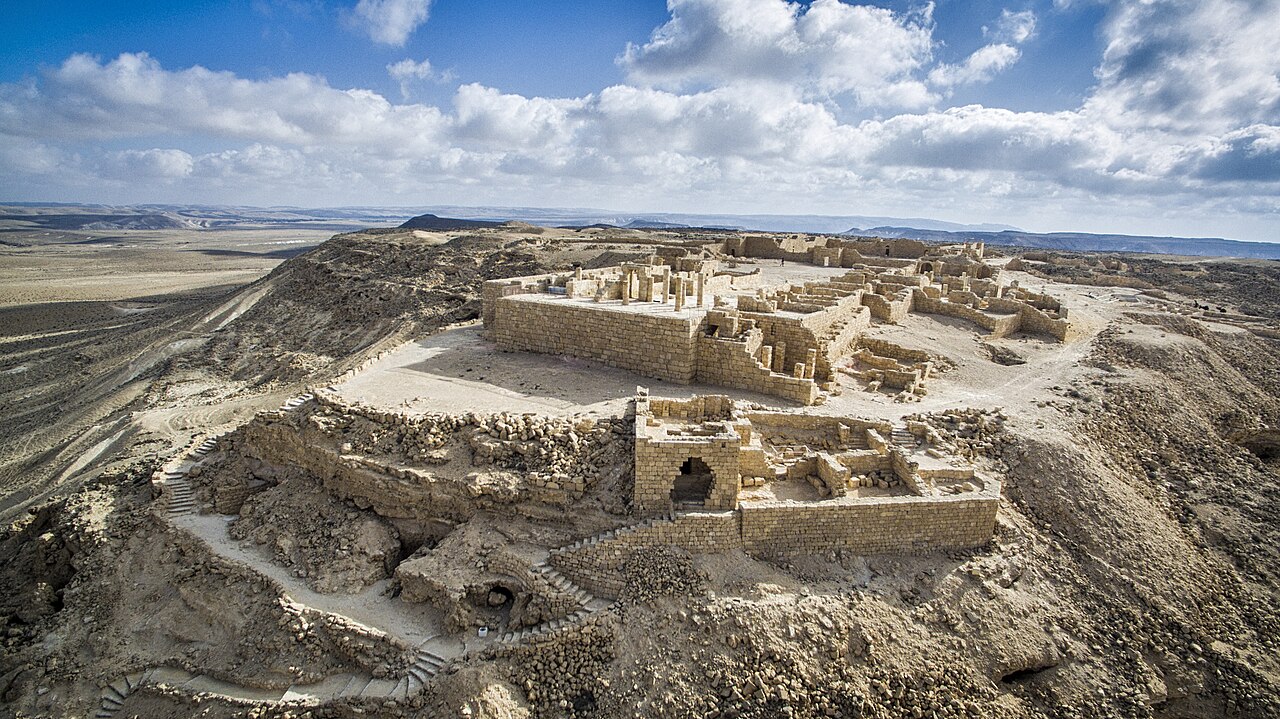

Two cities, one question: how did a desert network work?
This programme connects a hilltop setting with the closer scale of streets and courtyards. At Avdat and Mamshit, the aim is to understand the relationship between trade, water and settlement, then notice how later communities changed the towns. It is a proposed private day with an English-speaking guide confirmed for your dates.
The UNESCO inscription covers a wider network of cities and infrastructure. This excursion selects two places for a meaningful comparison; it does not attempt to visit every component in one day. Petra is in Jordan and is not included. [1]
Your proposed Negev day
1. Depart from Beersheba. Meet at the agreed address and introduce the route on a map. The order of parks can change to suit opening arrangements, weather and the group.
2. Avdat: a city in its landscape. Use the hilltop setting to discuss movement through the desert, then follow a selected circuit of remains. The park’s Roman and Byzantine elements are identified as such rather than all being called Nabataean. [2]
3. A shaded lunch interval and the connecting drive. Agree a practical meal stop in advance. This is part of the day’s pacing; the proposal will specify arrangements rather than assume a meal is included.
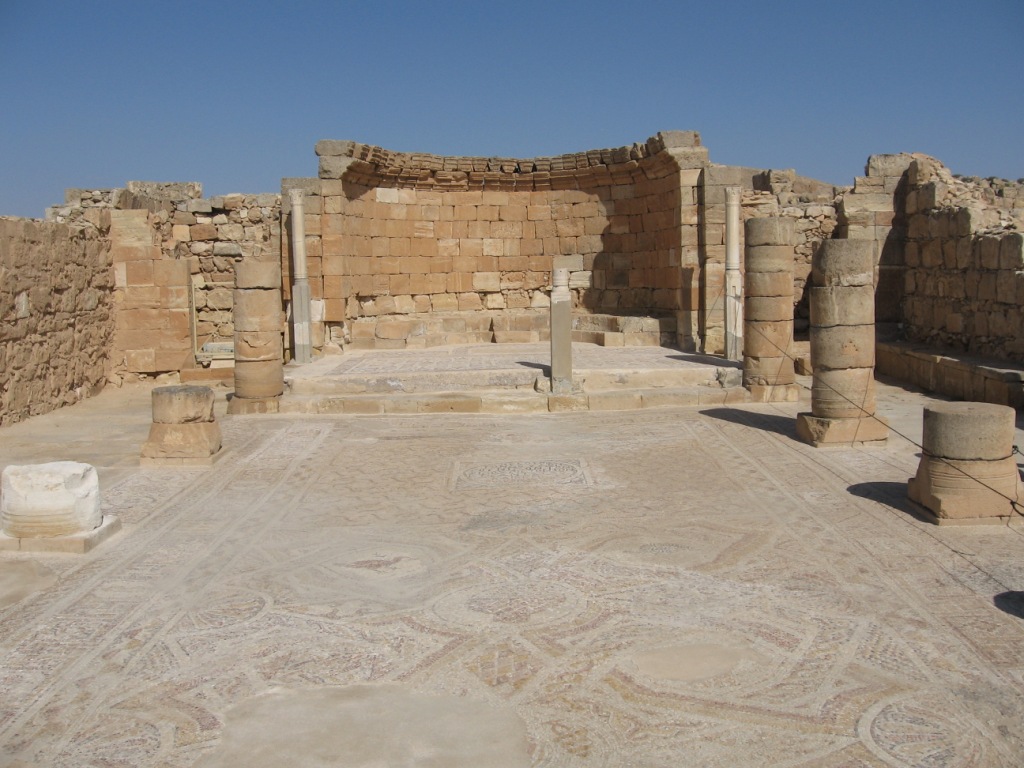
4. Mamshit: buildings at a human scale. Examine a manageable sequence of streets, courtyards and later religious remains. Compare what the two sites allow you to observe about everyday urban life. Any discussion of dams or caravan facilities depends on the accessible circuit; a separate wadi hike is not included. [3]
5. Return and compare. Finish with three questions: which features depended on water, which served movement, and which reveal a later phase of settlement? Return to Beersheba or an individually agreed onward destination.


Beersheba, Tel Aviv and Jerusalem starting options
Beersheba: allow approximately 8–9 hours for the proposed two-park day, including the road journey and breaks. This is an indicative plan, not a guaranteed schedule.
Tel Aviv: request an early pickup and discuss the full door-to-door duration. If the added drive leaves too little time at the parks, choose one principal site or an overnight in the Negev.
Jerusalem: a private pickup can be requested with the same timing review. The final route must fit daylight, confirmed access and the group’s walking pace. Arrival transfers and an overnight can be arranged as a separate part of a longer journey.
Heat, terrain and names that matter
Expect exposed archaeological sites with uneven surfaces. Tell us about mobility, children and preferred walking length before confirming. Water, suitable shoes, hats and a weather-appropriate plan matter more than fitting in another ruin. The guide may recommend a shorter circuit or a single-site alternative for difficult conditions.
This programme visits Avdat National Park, the archaeological city. En Avdat is a different nature-reserve visit and is not silently added to the itinerary. Nor is this an off-road excursion or a walk along the full ancient trading route.
When a different desert programme is the better fit
Choose Shivta and Mamshit for a different comparison of settlement and churches, or Avdat and Ben-Gurion’s Hut to connect ancient and modern desert stories. The three-day Negev journey leaves more room for archaeology alongside the landscape.
Plan this private visit with Art Voyage
Send your preferred date, pickup and final address, party size and main interests. Tell us about children, required child seats, walking pace and access needs. Child seats must be requested in advance so their suitability and availability can be confirmed.
Your individual proposal will specify the guide, transport, admissions, breaks and any additional arrangements. A driver is not a substitute for a licensed guide; guiding is arranged explicitly. The enquiry is a request, not a confirmed booking, and the final itinerary depends on availability and access.
Read the historical background
Beyond Petra: Nabataean Cities and the Incense Routes of the Negev explains the evidence, historical distinctions and places behind this proposed programme.
Sources and further reading
- UNESCO World Heritage Centre — Incense Route: Desert Cities in the Negev. The four towns, associated infrastructure and water-management landscape.
- Israel Nature and Parks Authority — Avdat National Park. Official site interpretation, archaeological periods and visitor notices.
- Israel Nature and Parks Authority — Mamshit National Park. Official description of the settlement, buildings and visitor arrangements.
Historical sources establish the background; current opening and access arrangements must be checked with the site operator. Photographs have their own licences, recorded alongside each image and in the photo-credit register.
Tell us what you have in mind
Prepare an enquiry for Art Voyage. Review and send the message in WhatsApp.