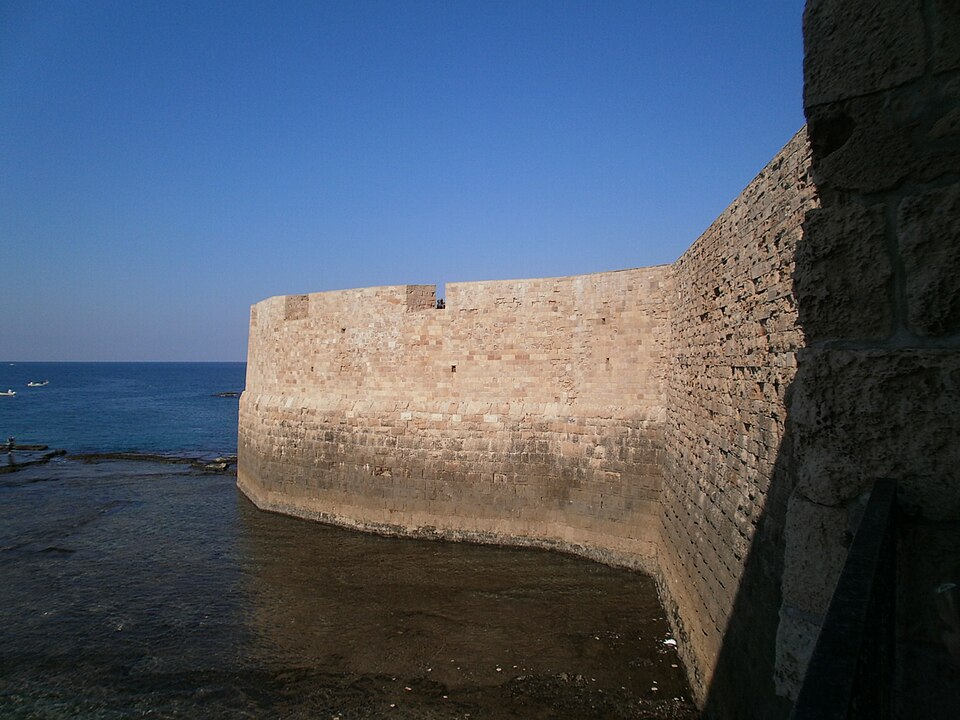

See the siege from the city that resisted it
Acre’s 1799 story becomes more interesting when it is told from both sides of the walls. This private programme looks at the setting of the French attack, the defending Ottoman city and the importance of the waterfront. It suits visitors who enjoy maps, military history and a careful distinction between an event and the monuments that commemorate it.
The proposed visit is predominantly outdoors. An English-speaking guide, route and starting point are arranged for your party. The focus is the geography of the siege and the town’s response, rather than battlefield spectacle or an invented reconstruction.
A proposed sequence through Acre
1. Read the landward approach. Begin at an accessible public viewpoint beside the northern defensive landscape. Use a map to establish the relationship between the walled city, surrounding ground and sea. Stay on authorised visitor paths; the programme does not include closed ramparts.
2. Ask what changed after 1799. Compare the visible fortifications with the historical sequence. The official walls route records major rebuilding after the siege, so today’s masonry is not presented as an unchanged battlefield. [2]
3. Enter the Ottoman town. Continue through selected streets to discuss the defended city as a place where people lived and worked. The al-Jazzar Mosque exterior may provide context; an interior visit requires a separate access agreement and is not assumed.
4. Take a proper pause. Leave time for a seated break and discussion of a period map. This is a chance to compare what the visitor can see with what a written source contributes.
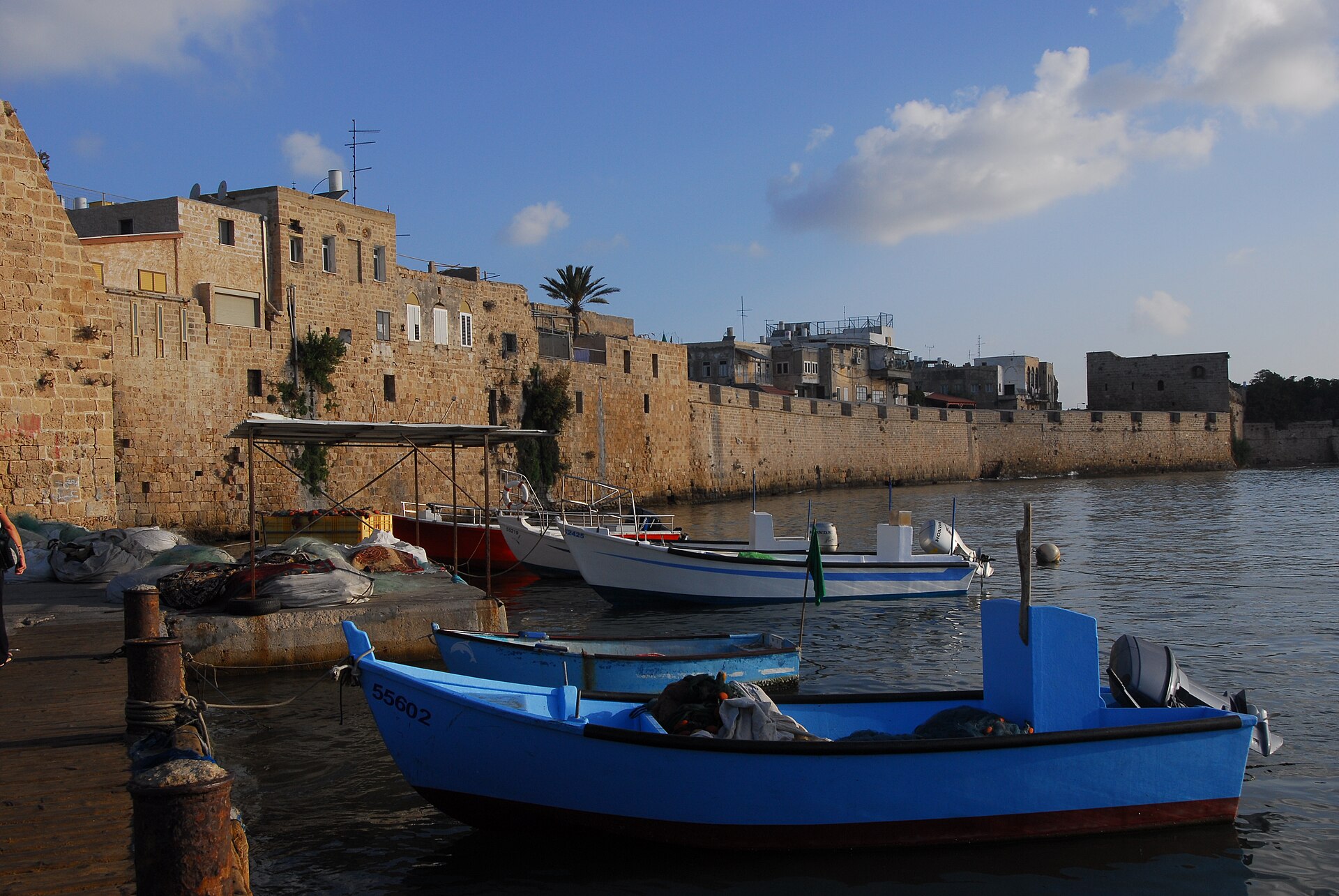
5. Finish at the harbour. Revisit the siege from the seaward side and bring the account of French, Ottoman and British involvement together. The research linked below provides the historical foundation. [1]

An optional extension: Tel Akko
Ask about adding the mound often called Napoleon’s Hill. It is outside the main old-city walk and changes the transport and timing. The stop would examine the association and the evidence; it would not promise to identify the exact place where Napoleon stood. The archaeological project explicitly investigates that question. [1]
Departures and the shape of the day
From Acre: allow roughly 4–5 hours for the local walking programme, including a break. The hill extension is additional.
From Tel Aviv: request a private transfer to the meeting point and an agreed return or onward destination. Driving time is added to the local programme.
From Jerusalem: discuss the length of the full return day before confirming. An overnight on the northern coast can give the history walk a more comfortable pace. Pickup arrangements depend on the date, group and confirmed vehicle.
Walking, weather and alternatives
Expect outdoor exposure and uneven old-city surfaces. Share any difficulty with steps, distance or prolonged standing when enquiring; viewpoints and rest stops can then be assessed. Carry water and sun protection. If weather or local access makes a section unsuitable, agree a replacement rather than treating every line on an itinerary as compulsory.
For underground medieval history, choose the separate Templars programme. For a less specialised introduction, the Acre old-city tour offers a broader starting point. A combined day needs extra time and a clear change of period.
Plan this private visit with Art Voyage
Send your preferred date, pickup and final address, party size and main interests. Tell us about children, required child seats, walking pace and access needs. Child seats must be requested in advance so their suitability and availability can be confirmed.
Your individual proposal will specify the guide, transport, admissions, breaks and any additional arrangements. A driver is not a substitute for a licensed guide; guiding is arranged explicitly. The enquiry is a request, not a confirmed booking, and the final itinerary depends on availability and access.
Read the historical background
Napoleon at Acre in 1799: a Failed Siege and a City That Held Out explains the evidence, historical distinctions and places behind this proposed programme.
Sources and further reading
- Ann E. Killebrew and Jane C. Skinner — Napoleon’s Hill and the 1799 Siege. Archaeological-project presentation of research using period maps and eyewitness accounts.
- Old Akko Development Company — The Walls Route. Official interpretation of the defensive landscape and post-siege rebuilding.
Historical sources establish the background; current opening and access arrangements must be checked with the site operator. Photographs have their own licences, recorded alongside each image and in the photo-credit register.
Tell us what you have in mind
Prepare an enquiry for Art Voyage. Review and send the message in WhatsApp.